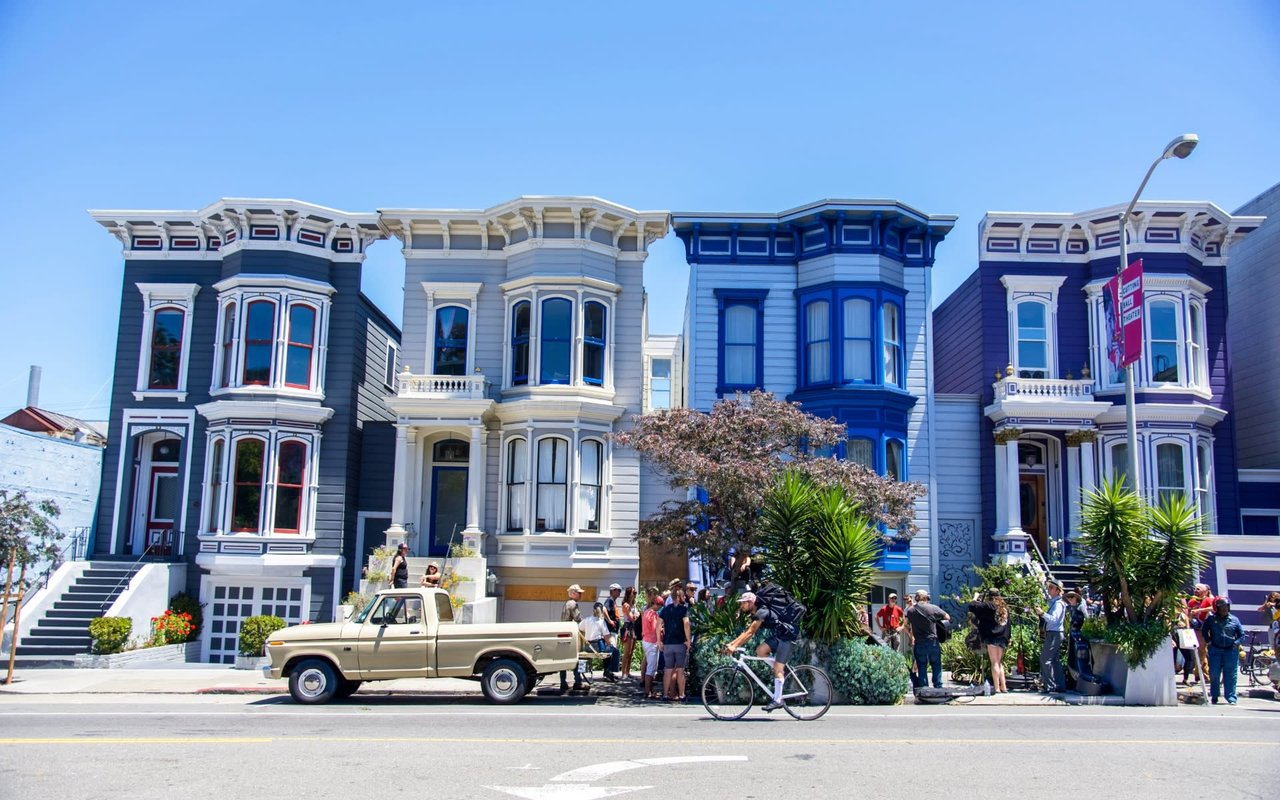
The Benefits of Investing in a Duplex in San Francisco
Here's a little secret from 20+ years in this market: some of the smartest real estate moves I've seen in San Francisco started with two front doors. (Two doorbells, two mailboxes, one very happy owner.)
A duplex is one of the most practical ways to own in SF and start building an investment portfolio at the same time. It's not the flashiest play, but it's a HUGE one. Here's why.
This is the big one. You live in one unit, rent the other, and that rent goes straight toward your monthly payment.
Even better, lenders can count it. With FHA financing, the appraiser's estimate of fair market rent for the unit you won't live in can help you qualify, after the lender applies a 25% vacancy factor. One important note: you still need employment income to qualify, since rental income alone won't get you approved.
Because you're living there, a duplex counts as your primary residence, and that opens up owner-occupant financing.
Straight talk for SF buyers: that 5% option doesn't apply to multi-unit purchases in high-cost areas, and at San Francisco prices, many loans fall into that higher-balance category. Talk to your lender early so you know exactly which program fits your price point.
Duplexes also get more borrowing room. In San Francisco County, the 2026 conforming loan limit for a two-unit property is $1,599,375 (the same limit applies to FHA loans here), compared to $1,249,125 for a single-family home. That extra room matters a lot in San Francisco.
This is where SF duplexes really shine, and where my construction and value-add background comes in handy.
San Francisco's condo conversion lottery has been on pause for years, but owner-occupied two-unit buildings aren't subject to it and can bypass the lottery entirely. To qualify, each unit must be owned and lived in by a separate owner holding at least 25% of the building, as their principal residence, for at least one year.
Why does that matter? Two buyers can purchase together as tenants-in-common (TIC), each live in their own unit, and later convert to separate condos. That can mean more flexible financing and a stronger resale story down the road.
Got a garage, a basement, or unused space on the ground floor? Under state law, owners of multi-family buildings can generally add at least one ADU, or more depending on the building's size. A well-planned ADU can mean another income stream and more long-term value. (I've got a guy / gal for that!)
A duplex adapts as your life changes. You can:
Few property types give you that many options on one lot.
I love duplexes, but I'm not going to sugarcoat anything. Go in with your eyes open:
San Francisco is full of classic two-unit flats, from Noe Valley and Bernal Heights to the Inner Richmond and the Sunset. Each neighborhood has its own character, price points, and building styles, and knowing the block-by-block details is half the battle. Curious how pricing is shaking out right now? Here's why buyers are setting the price in San Francisco right now.
If you're ready to make a move on a duplex, reach out to me directly. I know these buildings inside and out, from permit history to value-add potential, and I'll help you find the right one and get it DONE.
Cheers,
Lisa Z
Sources
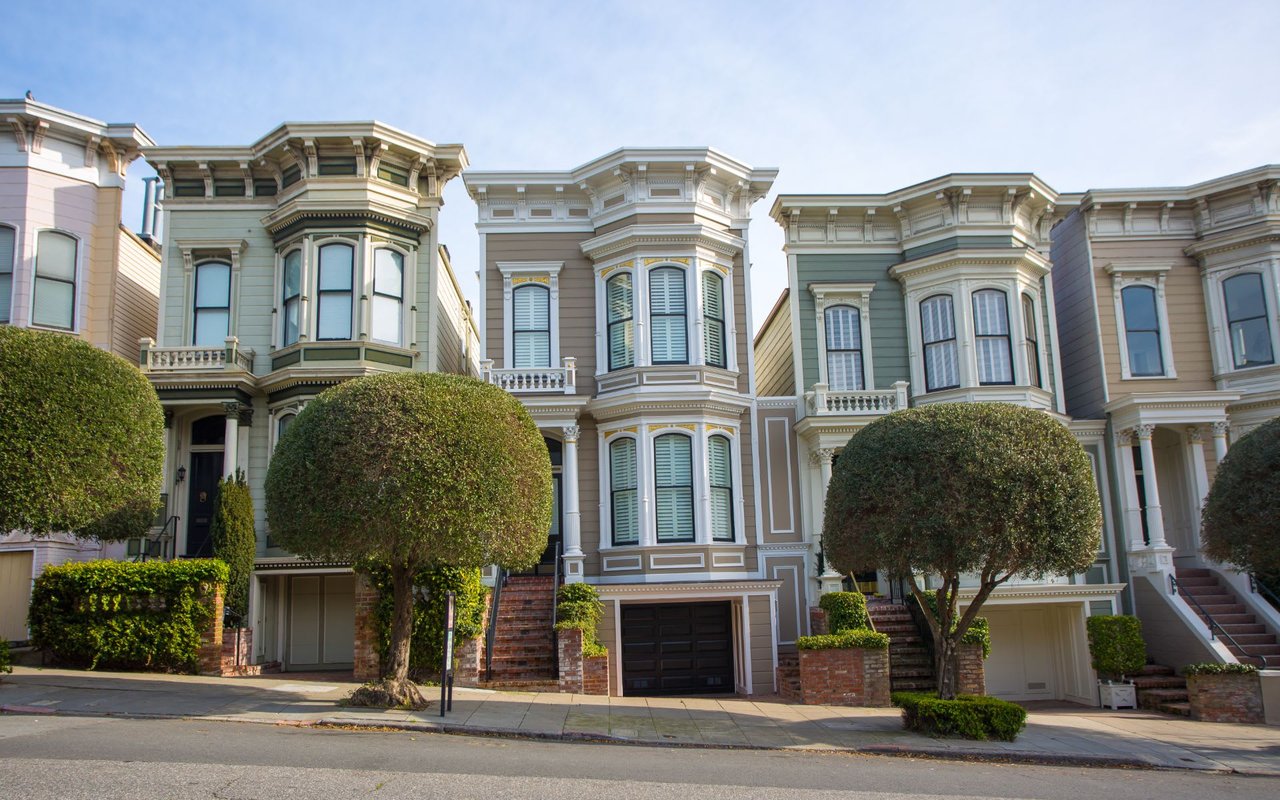
A guide for SF owners who want to know what their 2–4 unit building is worth before they sell
Live in one unit, let the other help pay your mortgage, and build SF equity.

Market Update
Inventory is up 36%, condos are heating up, and fall's best selection is right now.

Storm season is coming — protect your SF home (and your sale) from sewer surprises.

Before you sign another lease, here's how to know if buying actually pays off in SF.
Why this often-overlooked fee matters more in a city with San Francisco's history of century-old homes.
Flood insurance has a mandatory waiting period — here's why SF homeowners shouldn't wait for the first storm to think about coverage.
The real math behind "how much house can I afford" — and why the answer looks different here than almost anywhere else

Market Update