What Your Rent Roll Tells a San Francisco Buyer
Here's something that surprises a lot of owners: two San Francisco triplexes can bring in the exact same rent every month and still sell for very different prices.
Your rent roll is the page every serious buyer studies first. The move-in dates, the rents, the increase history: each line tells them what the building earns today and how much room there is to grow it. (Spoiler: in San Francisco, that's usually less than owners hope, and more than buyers admit!)
Behind every one of those lines sits a San Francisco rule that shapes your price. Here's how buyers read it, so you can read it first.
A serious buyer (and their lender) will go through your rent roll line by line. Here's what they're really looking for:
Straight talk: a clean, accurate rent roll is the single best thing you can hand a buyer. It's what turns "interesting building" into a confident offer.
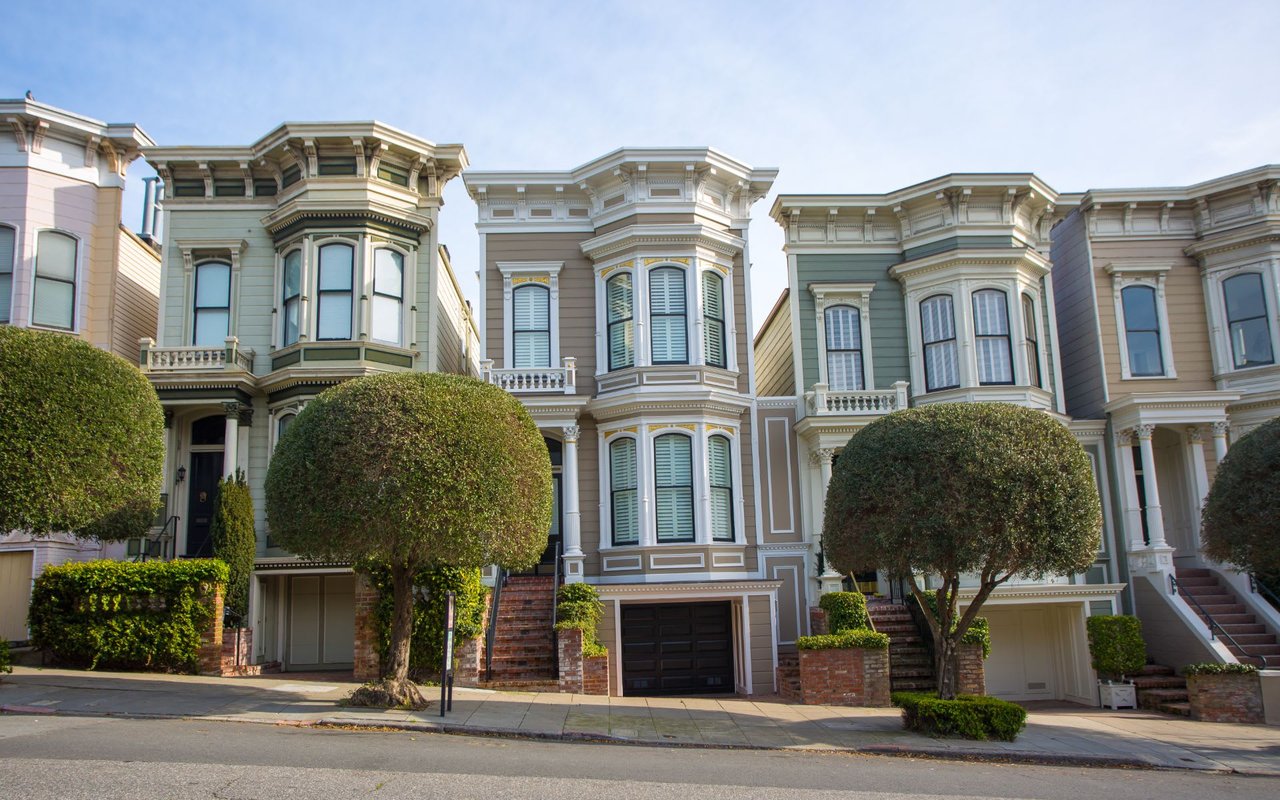
Most of the classic 2–4 unit buildings I sell here are Edwardians and Victorians split into flats, which means most of them are rent controlled. In San Francisco, many units in buildings built on or before June 13, 1979 have both rent control and just-cause eviction protection. That one date shapes almost every offer you'll get.
Here's how it plays out:
That's why two buildings that collect the same total rent can sell for very different prices. A triplex with one long-term tenant at half of market and two units at today's rents is a different investment than a triplex with three long-term tenants at half of market, even if the bottom line on the rent roll looks similar. The first one has upside a buyer can see. The second one is a long-term hold.
Neither is "bad." They just attract different buyers, and pricing and marketing them the same way leaves money on the table.
One of the biggest questions in any multifamily sale: will any unit be vacant when the building hits the market?
It matters because it decides who can buy your building.
More buyer types usually means more competition, and in San Francisco, competition is what moves price.
Straight talk about getting to vacant: you can't just ask a tenant to leave. If you're considering a tenant buyout, San Francisco requires you to give the tenant a Rent Board disclosure form before any negotiation starts. The agreement must be in writing, the tenant can cancel it for up to 45 days after signing, and it gets filed with the Rent Board. Buyouts and no-fault evictions can also affect what a future owner is allowed to do with the building. Please talk to a landlord-tenant attorney before you start that conversation.
If a unit turns over naturally while you're planning your sale, call me before you re-rent it! That one decision can change your buyer pool.
The rent roll gets a buyer interested. These items keep them from renegotiating later.
Pulling all of this together before you list is far easier than scrambling for it in escrow, and it's what keeps a buyer from coming back for a price cut.
Good news for sellers: small San Francisco buildings are selling, and selling fast. In Q3 2026, 144 duplexes, triplexes and fourplexes closed in the city, and the median one sold after just 14 days on market.
San Francisco 2–4 unit sales, Q3 2026 | Median | Average |
|---|---|---|
Closed price | $2,125,000 | $2,541,402 |
Closed price per square foot | $712.20 | $797.47 |
Days on market | 14 | 31 |
On average, buildings closed about 13% above their average list price. And half of the buildings sold were built in 1915 or earlier, which is exactly why the rent control rules above matter so much.
Source: SFAR MLS, duplexes, triplexes and fourplexes (residential income), sales closed July 1–September 30, 2026.
Rental demand backs that up. Across the Bay Area apartment market, vacancy is down and rents are up year over year.
Bay Area apartment market, Q3 2026 | Figure | Change vs. Q3 2025 |
|---|---|---|
Vacancy rate | 3.8% | Down from 4.8% |
Average asking rent | $2,910/month | Up 7.7% |
Average 2-bedroom rent | $3,250/month | — |
Average sale price per unit | $387,409 | Up 11.6% |
Average cap rate | 5.9% | Up from 5.5% |
Source: Kidder Mathews, Bay Area Multifamily Market Report, Q3 2026 (CoStar data). These figures cover the whole Bay Area and lean toward larger apartment buildings.
Keep in mind that small SF buildings don't always move in lockstep with big apartment complexes. Location, unit mix and how many units are delivered vacant can swing the price of a duplex far more than any quarterly average. That's why I run the numbers building by building.
Market data as of October 2026. Numbers change quarterly, so check back for my latest updates.
Can I sell my San Francisco duplex or triplex with tenants in place? Yes. Tenants' leases and rights stay in place after a sale, and the buyer takes over the tenancies. Expect the buyer to review your rent roll and leases and to ask tenants for signed estoppel certificates.
Does rent control lower my building's value? It changes how buyers value it. Rent-controlled units can only go up by the annual allowable amount while tenants stay (1.6% for March 2026–February 2027), so buyers focus on today's income and when units might turn over. Below-market rents usually mean a lower price than a similar building with market rents.
Do I need a 3R report to sell a multifamily building in San Francisco? Yes. San Francisco law requires the seller to get a Report of Residential Building Record from the Department of Building Inspection and give it to the buyer before the sale. It shows the building's authorized use and permit history.
What is a rent increase license, and why does a buyer care? Since 2023, owners of small SF buildings must report their units to the Rent Board's Housing Inventory to get a rent increase license. Without one, annual and banked rent increases aren't enforceable, which a buyer will factor into the income.
What are cap rates for apartment buildings in the Bay Area right now? The Bay Area multifamily average was 5.9% in Q3 2026, according to Kidder Mathews (CoStar data). Small San Francisco buildings vary widely by neighborhood, unit mix and vacancy.
Who pays San Francisco transfer tax when I sell? In San Francisco, the seller customarily pays. The rate is 0.75% on sales from $1 million to $5 million and 2.25% from $5 million to $10 million, applied to the full price.
If you're planning to sell a 2–4 unit building in San Francisco, reach out to me directly. I know these buildings inside and out, from rent rolls and Rent Board records to permit history, and I'll help you get yours to market the right way and get it DONE. You can also learn more about how I work with San Francisco investors.
Cheers, Lisa Z
Sources
A guide for SF owners who want to know what their 2–4 unit building is worth before they sell
Live in one unit, let the other help pay your mortgage, and build SF equity.

Market Update
Inventory is up 36%, condos are heating up, and fall's best selection is right now.

Storm season is coming — protect your SF home (and your sale) from sewer surprises.

Before you sign another lease, here's how to know if buying actually pays off in SF.
Why this often-overlooked fee matters more in a city with San Francisco's history of century-old homes.
Flood insurance has a mandatory waiting period — here's why SF homeowners shouldn't wait for the first storm to think about coverage.
The real math behind "how much house can I afford" — and why the answer looks different here than almost anywhere else

Market Update