
Election Week: What Tuesday's Results Mean for San Francisco Property Owners
Several measures on Tuesday's San Francisco ballot reach straight into the cost of owning, selling, and investing in San Francisco property, so they're worth a closer look.
First, a fair warning. Everything below comes from preliminary results. The Department of Elections won't certify until Dec. 3, and counts keep shifting. I've updated this as of November 16.
Prop. J: the foreclosure loophole. This closes a gap in the city's transfer tax rules for large foreclosed properties, and it's been called passed by the SF Chronicle with 81% of the vote. If you buy distressed buildings, or lend against them, read the final language with your attorney before your next deal.
Prop. I: transfer tax revenue for affordable housing. This one directs half of the revenue from high-value transfer taxes to affordable housing. It has failed according to the SF Chronicle, with 48% yes and 52% no.
Prop. H: a parcel tax for Muni. Voters approved it with 74% yes. A campaign organizer told Mission Local that 75% of the money would come from downtown commercial space. That's one person's estimate, not an audited figure, but it tells you where the burden is expected to land.
Prop. C substantially expands the city's affordable-housing fund, and it's won with 82%. Money is only half the story, though. What matters to me, as a Housing Action Coalition board member, is whether it turns into homes you can actually move into.
Mayor Lurie's three charter changes have all passed. Prop. D makes it harder to put measures on the ballot (54% yes), Prop. E widens the city administrator's contracting authority (64%), and Prop. F gives the mayor more say over city departments (59%). Lurie says they'll lead to "better written propositions, more compromise." Mission Local columnist Joe Eskenazi sees it differently and argues they consolidate power and make it harder to gather signatures for tax measures. Reasonable people see this differently, and I'll stick to what it means for property.
One more, for my west-side friends: Prop. G, which would have reopened the Upper Great Highway to cars on weekdays, has failed with 66% voting no. Sunset Dunes Park will stay a park.
If you're selling a home or a small building: the transfer tax is already a line on your closing statement, and this election keeps the conversation about it alive. Ask your agent, your CPA and your attorney to walk through your specific net sheet before you list.
If you invest in distressed or foreclosed property: Prop. J is the one to examine. Deals that penciled out under the old rules may look different.
If you own or lease downtown commercial space: Prop. H could affect your carrying costs. Check your lease, and see who pays property-tax pass-throughs.
If you're buying a home to live in: none of these measures changes the basics. Your biggest variables are still rates, inventory and how many other people want the same house.
If you care about housing supply: watch what happens next with Prop. C. Funding approved on a ballot and homes under construction are not the same thing.
I'm not a tax advisor or an attorney, and a lot of these details will get clearer once the count is final. What I can do is help you think through how it fits your plans for a home, a building or a portfolio. Send me a note with your situation (the neighborhood and what you're hoping to do) and we'll figure out your next step together.
Where the numbers came from: the SF Standard's live results page (updated Nov. 16, 2026) and Mission Local's election coverage, linked here: 2026 San Francisco live election results and Election Day 2026: San Francisco lefties lose, let loose — Mayor Lurie wins, again.
Cheers, Lisa Z

Your complete guide to SF's last school lottery, and what comes next for families.
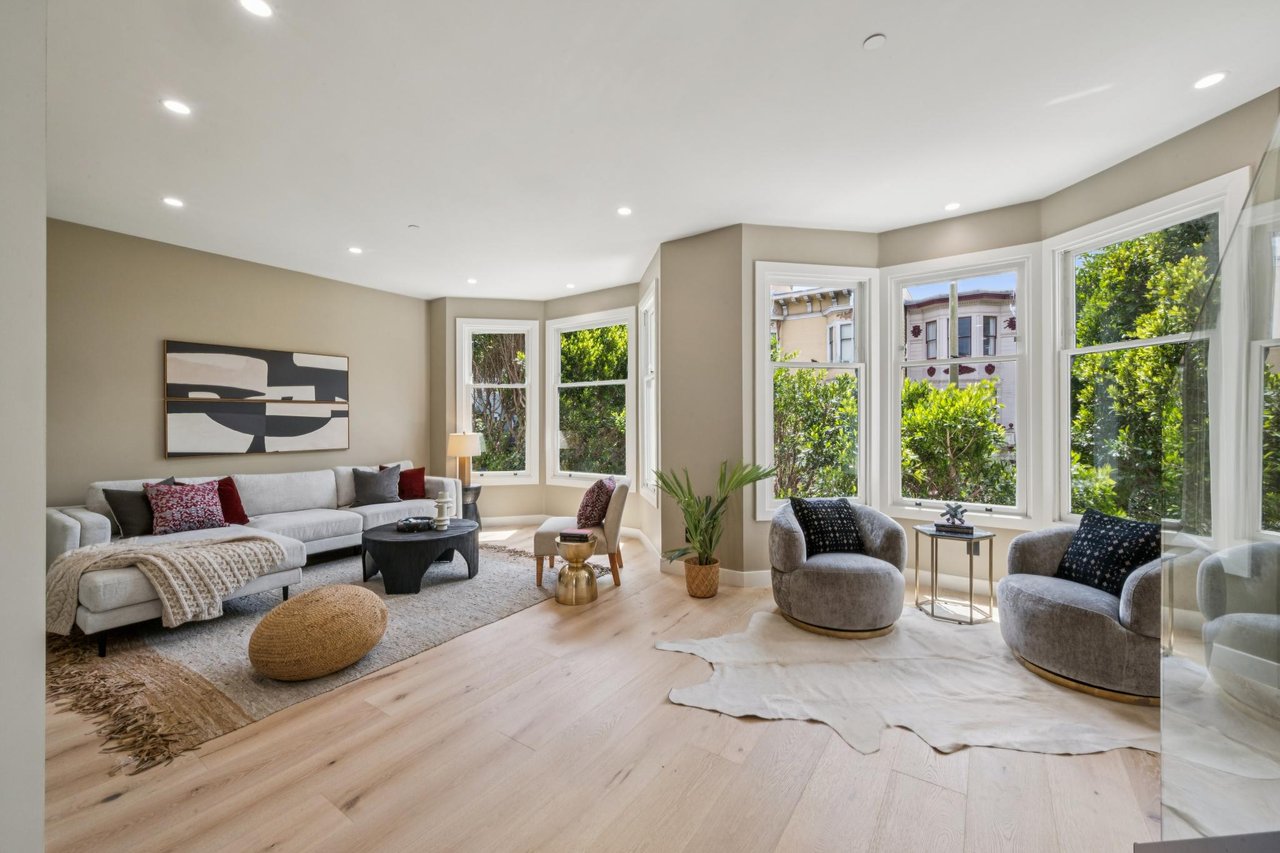
Why staging is earning its keep in San Francisco, plus seller tips you can use at any budget.
Market Update
Record overbids, easing rates and tight inventory: this week’s San Francisco market.
Tuesday's ballot touched transfer taxes, downtown buildings and housing money. Here's what it means for owners.

Nearly 92% of SF single-family homes sold over asking in September. Here's how to play it.

Planning for an IPO windfall? Here's how to get ready to buy San Francisco multifamily.
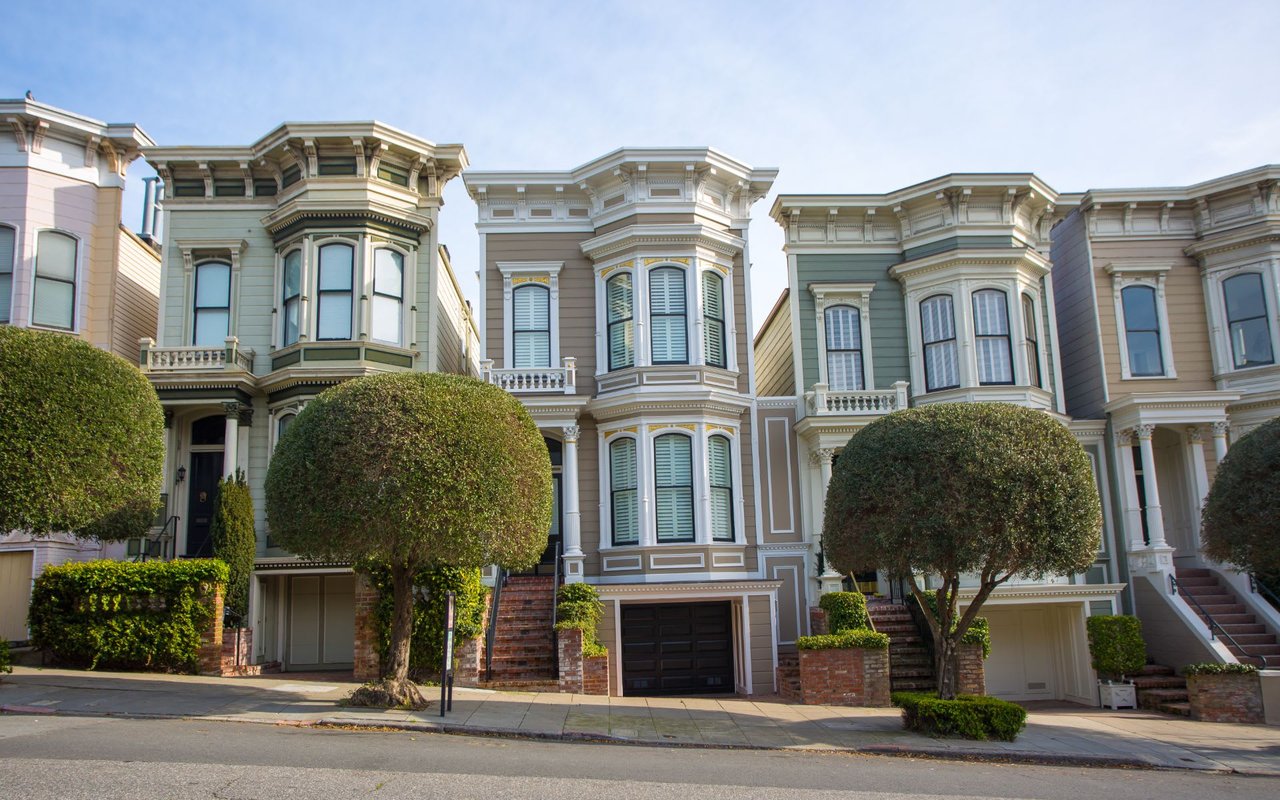
A guide for SF owners who want to know what their 2–4 unit building is worth before they sell
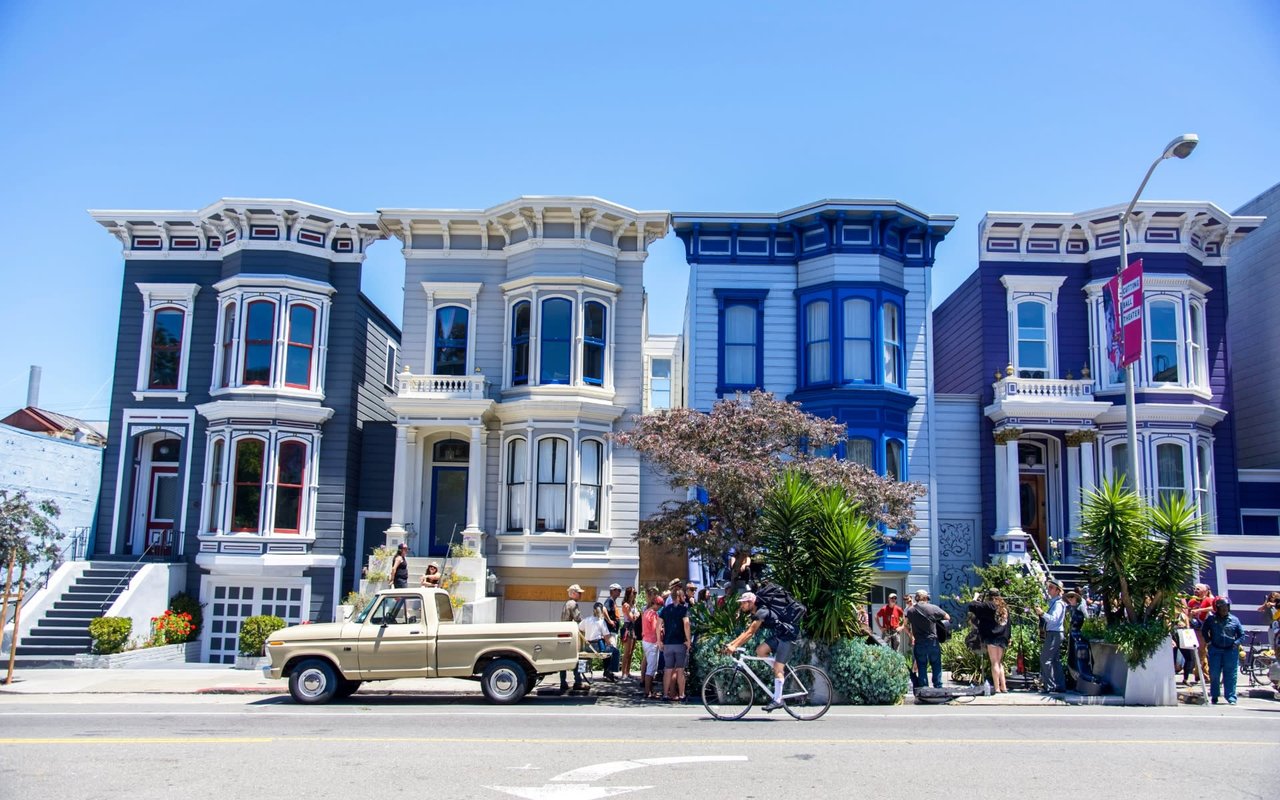
Live in one unit, let the other help pay your mortgage, and build SF equity.

Market Update
Inventory is up 36%, condos are heating up, and fall's best selection is right now.