
SF Parents, This Is the Last School Lottery. Here's Your Complete Guide.
If school season feels like a second job, you're not alone.
I know this one firsthand. My husband and I raised our three kids right here in San Francisco, so I've done the tours, the spreadsheets, and the waiting by the mailbox myself. Now our kids are grown, and every fall I watch my clients with little ones go through the same thing.
This year there's a twist. The kindergarten lottery for fall 2027 is SFUSD's last ranked-choice lottery. Starting with the 2028-29 school year, San Francisco is switching to neighborhood-based school assignment.
Here's everything you need to know: the key dates, how the lottery actually works, how to build your list, what happens if you don't get your pick, and what the 2028 change means for families deciding where to live.
You can rank as many elementary schools as you like, anywhere in the city. When a school has more applicants than seats, SFUSD uses tiebreakers, in this order:
Citywide schools (like language immersion and some K-8s) use a similar order, without the attendance-area tiebreaker.
The good news: according to SFUSD, 94% of kindergarten applicants who list their attendance-area school get in. And in recent years, The San Francisco Standard reported, 96% of main-round applicants got a school on their list and 67% got their first choice.
Thinking about TK? For 2027-28, transitional kindergarten is for kids turning 5 between Sept. 2, 2027 and Sept. 1, 2028. SFUSD says there's no guarantee of a TK seat at your attendance-area school, so apply to a few programs.
These come from the San Francisco Parent Coalition, and plenty of them match what I learned as a parent:
Don't panic. It's a long season.
In October, the school board voted 5-2 to replace the citywide lottery with neighborhood schools, according to The San Francisco Standard. The board chose "Option C," the plan Superintendent Maria Su recommended:
There are trade-offs. Stanford simulations reported by the Standard found this plan keeps more kids close to home (48% within half a mile, versus 35% today), but fewer families would get their first choice (54%, versus 67% today). In a district survey, more families had preferred the rival plan that kept more choice.
School board Vice President Jaime Huling called the lottery "dead now." Rebecca Kee of SF Parents said "parents are feeling a lot of grief today." As a parent who went through the lottery, I understand both reactions.
This is the part I want every family to hear. The new attendance boundaries haven't been drawn yet. A draft policy is expected in the spring, with a final vote planned for April 13. The district is also still deciding what happens to sibling priority, CTIP and other tiebreakers, and where language programs will be located.
There's a space crunch, too. The Standard reported that 19 of the city's 58 attendance areas don't have enough kindergarten seats for the kids who live there, about 320 seats short. Redrawing boundaries could close about half that gap, so expect some lines and programs to move.
As a mom and as an agent who has helped San Francisco families buy homes for over 20 years, here's what I tell my clients:
I'll keep watching for the new boundary maps and share them here as soon as they're out. If you're ready to buy in San Francisco in the next year or two and want to plan your move around your family's timeline, reach out and let's get started.
Sources: SFUSD; San Francisco Parent Coalition; The San Francisco Standard, A late pitch, a split board, and grieving parents: Behind SFUSD's seismic lottery vote (Oct. 15, 2026) and SFUSD is replacing its school lottery. Here's what you need to know (Oct. 9, 2026).
Cheers,
Lisa Z
Your complete guide to SF's last school lottery, and what comes next for families.
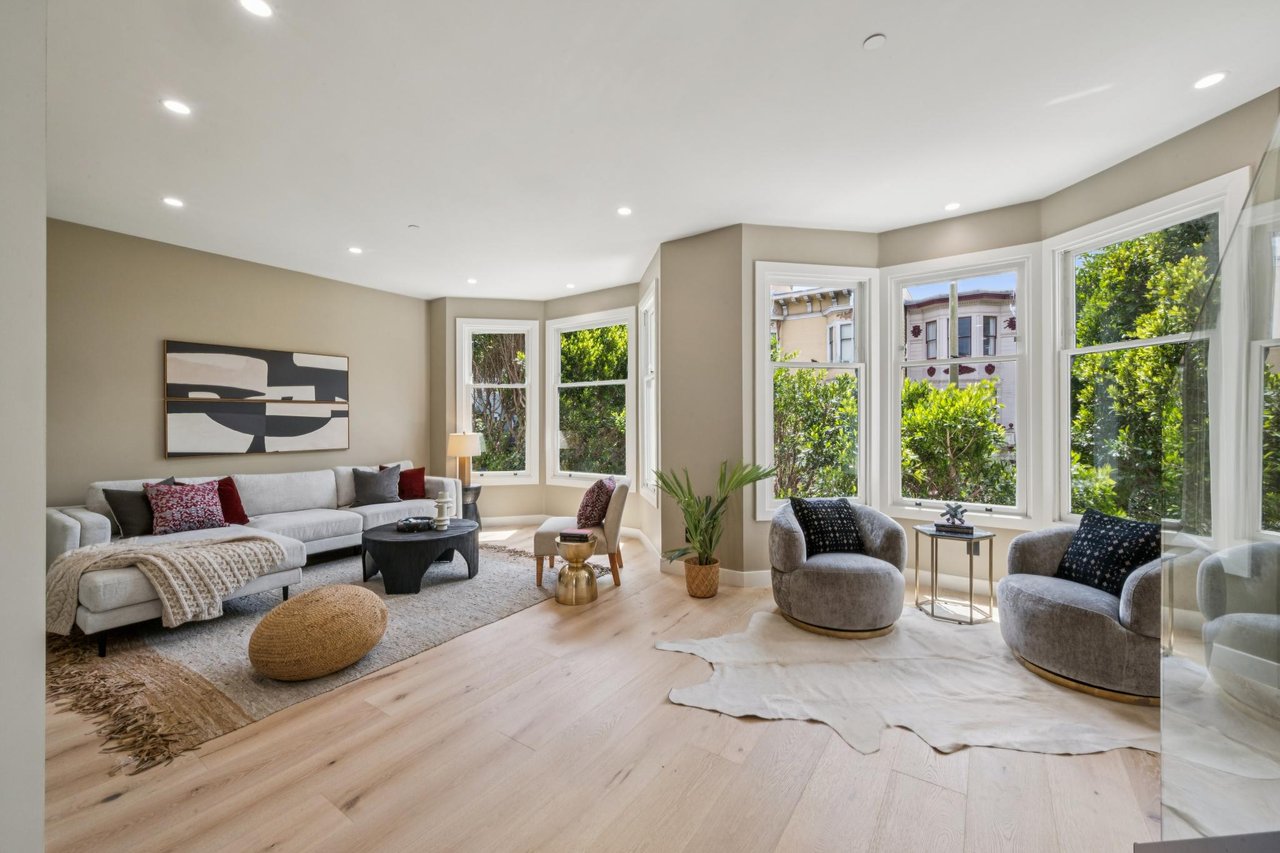
Why staging is earning its keep in San Francisco, plus seller tips you can use at any budget.
Market Update
Record overbids, easing rates and tight inventory: this week’s San Francisco market.

Tuesday's ballot touched transfer taxes, downtown buildings and housing money. Here's what it means for owners.

Nearly 92% of SF single-family homes sold over asking in September. Here's how to play it.

Planning for an IPO windfall? Here's how to get ready to buy San Francisco multifamily.
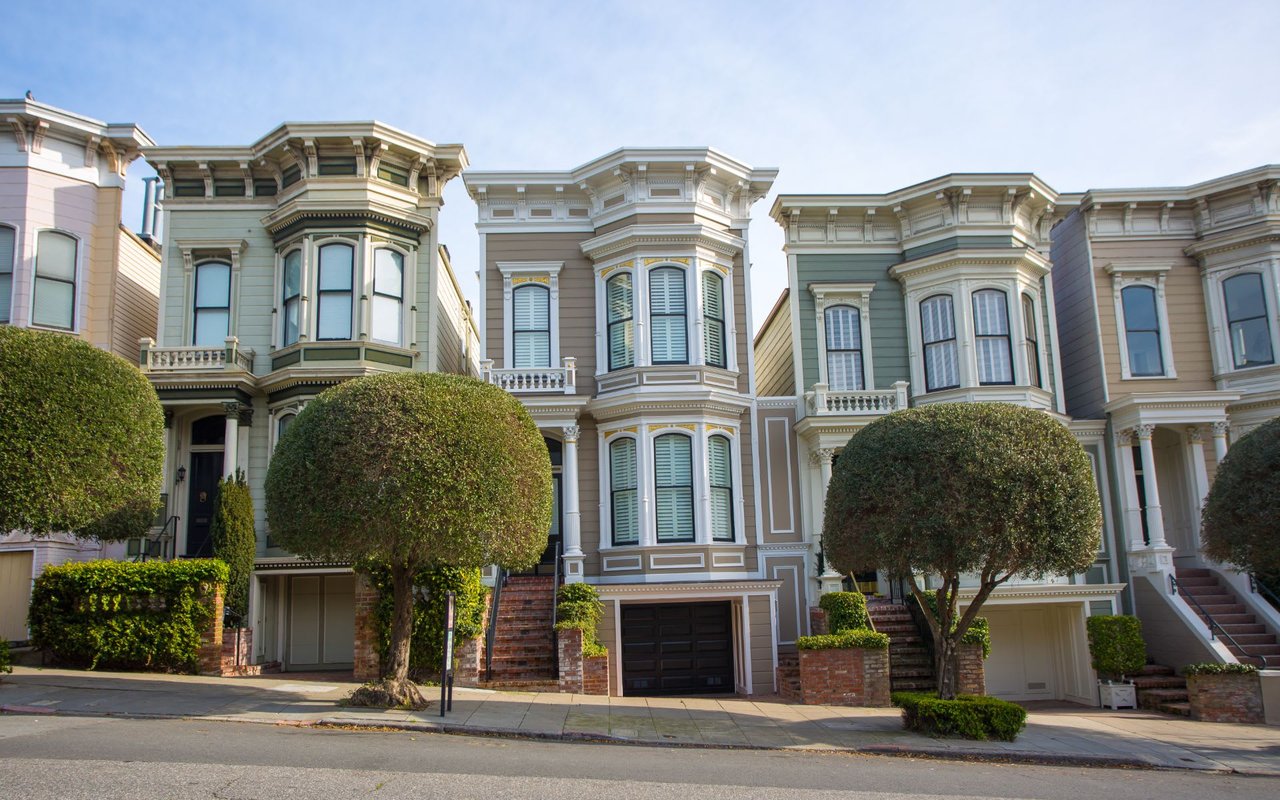
A guide for SF owners who want to know what their 2–4 unit building is worth before they sell
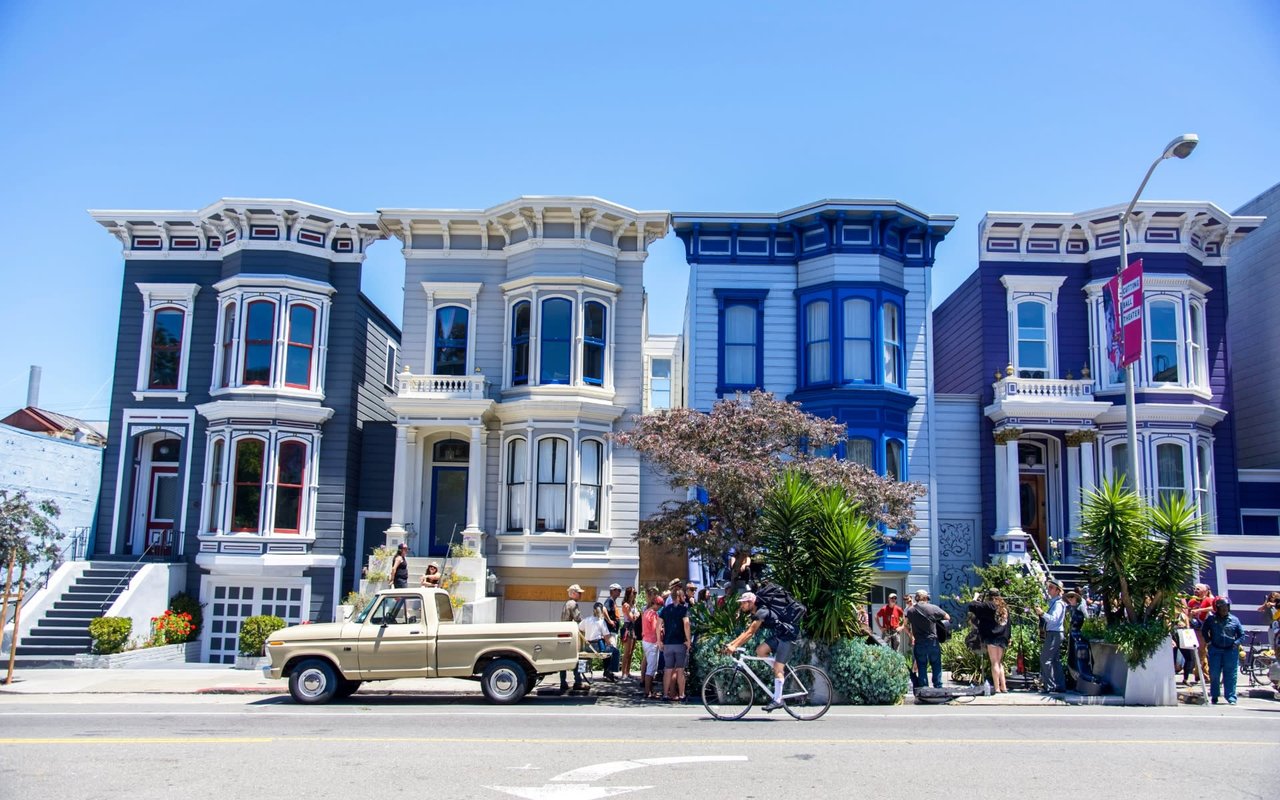
Live in one unit, let the other help pay your mortgage, and build SF equity.
Market Update
Inventory is up 36%, condos are heating up, and fall's best selection is right now.