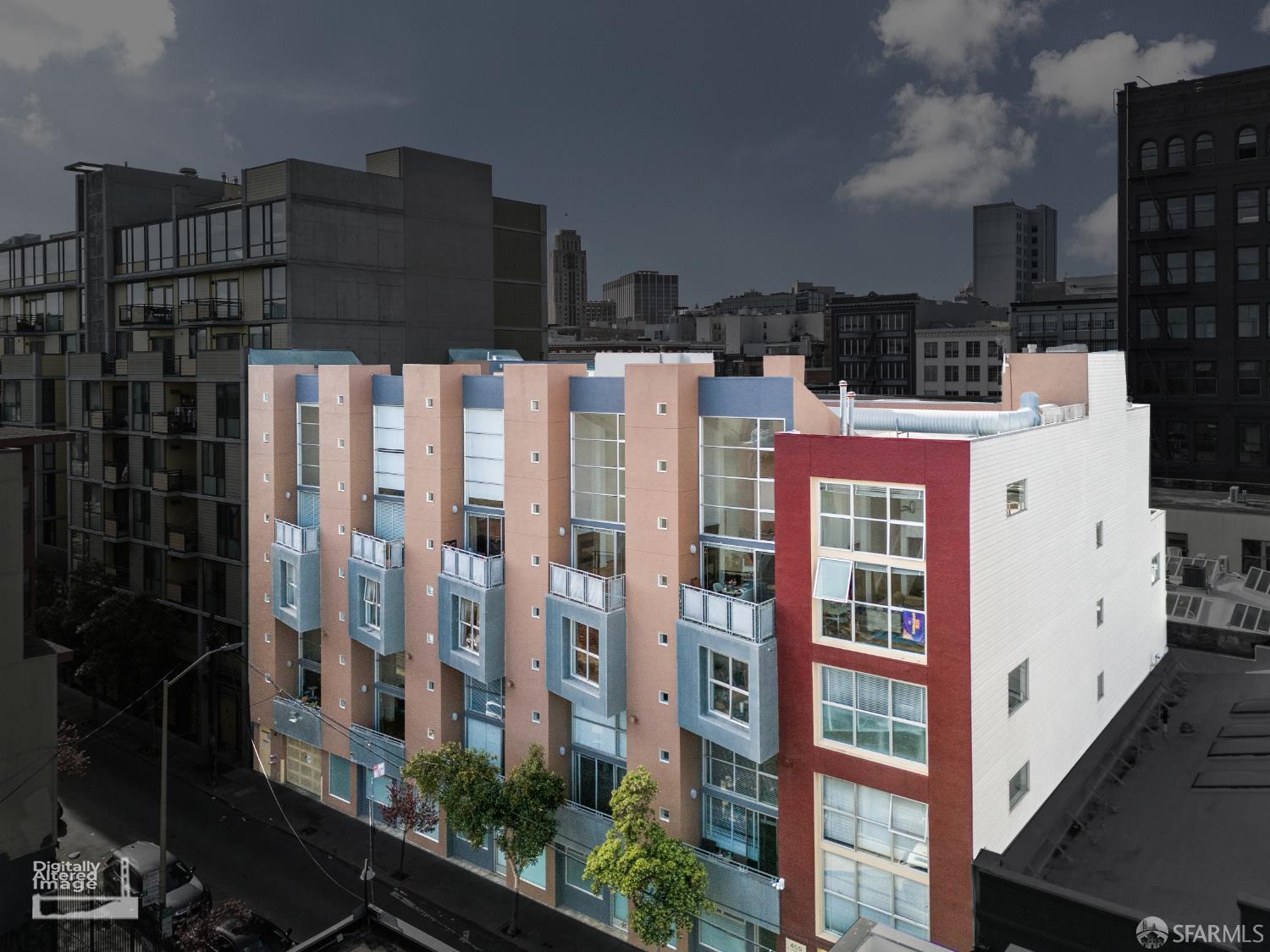
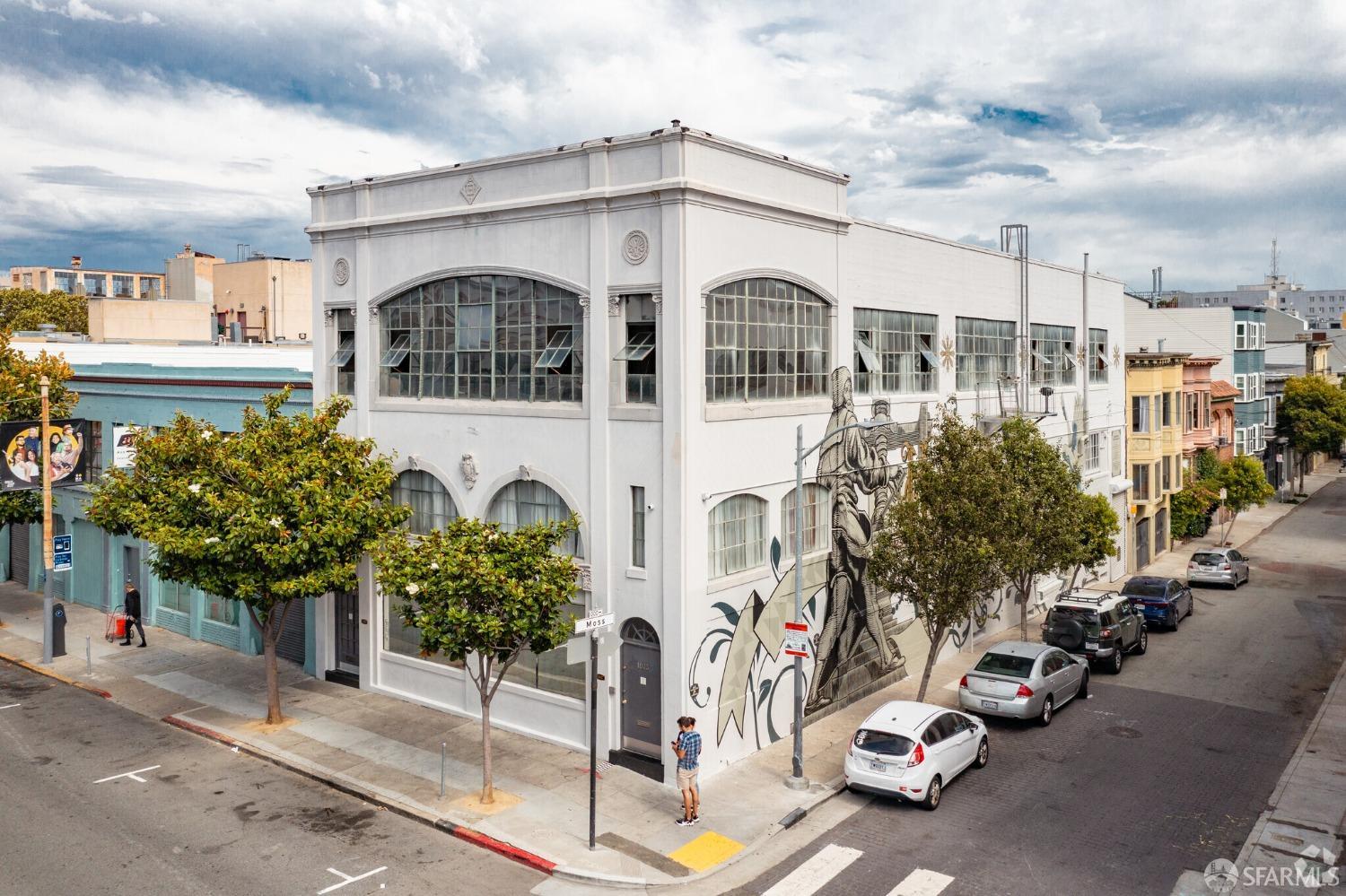
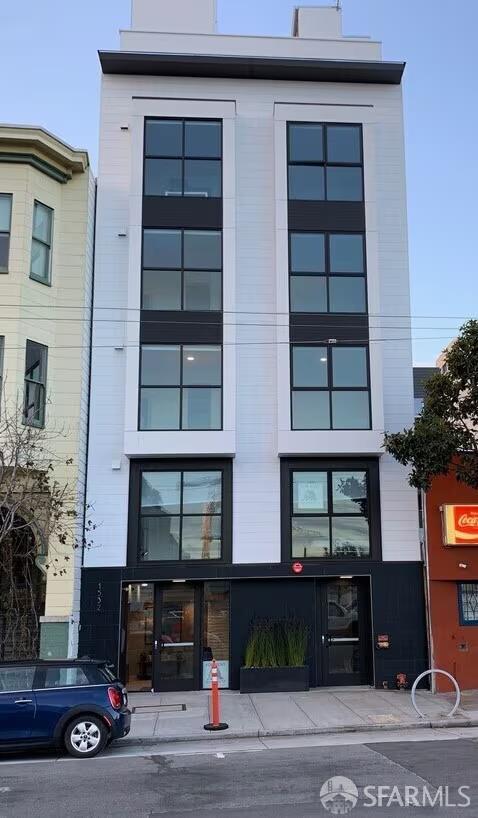
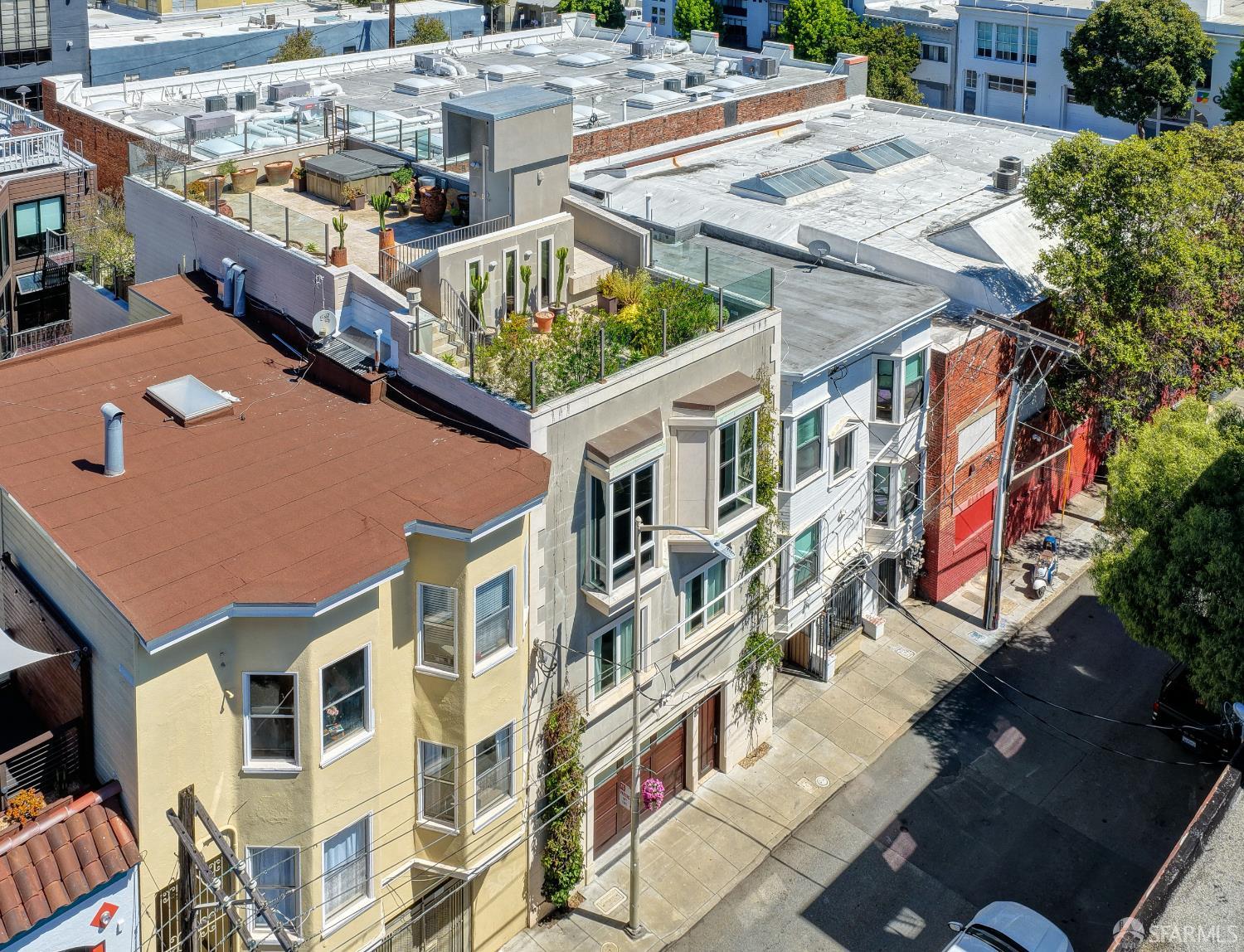
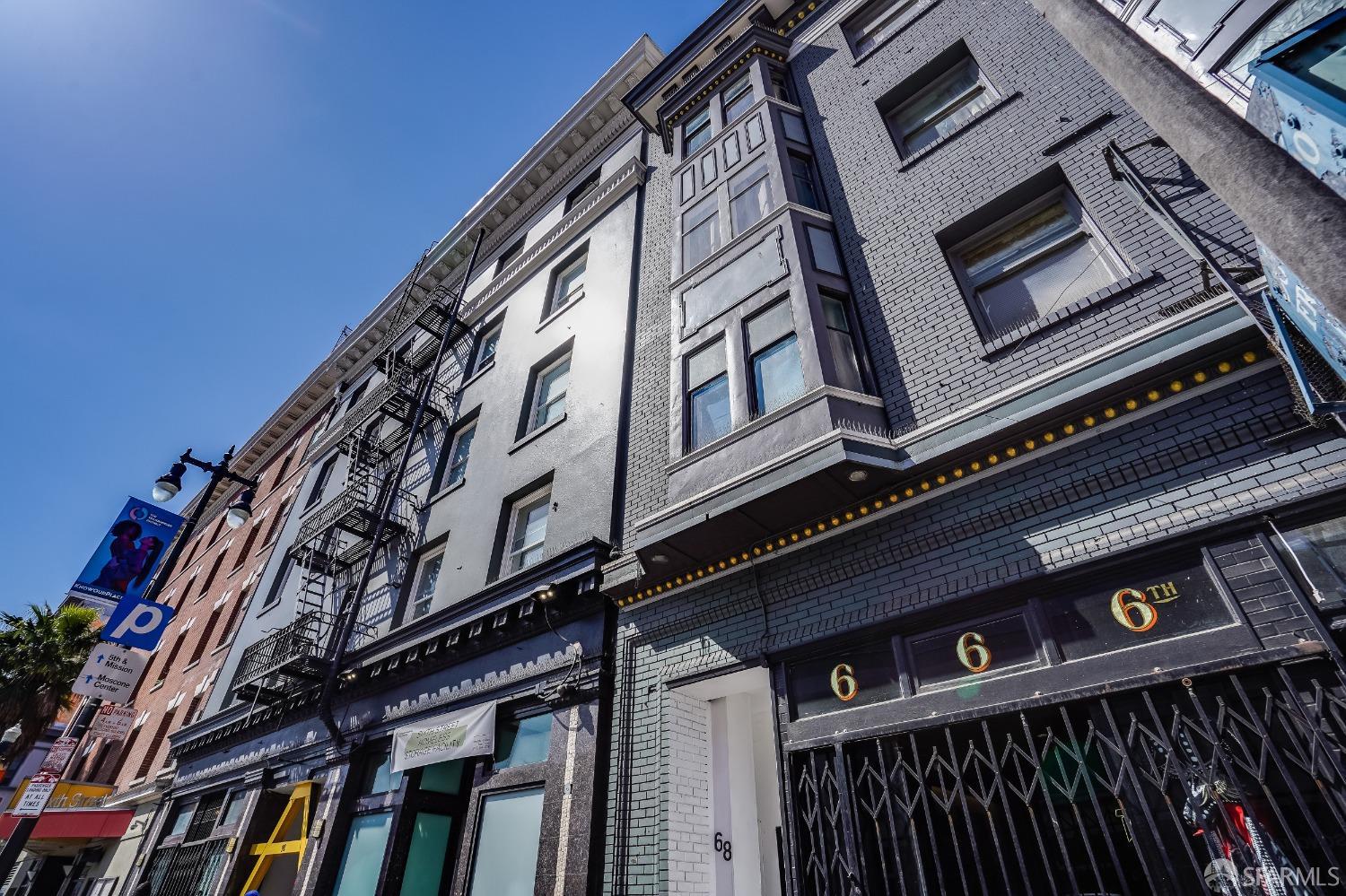
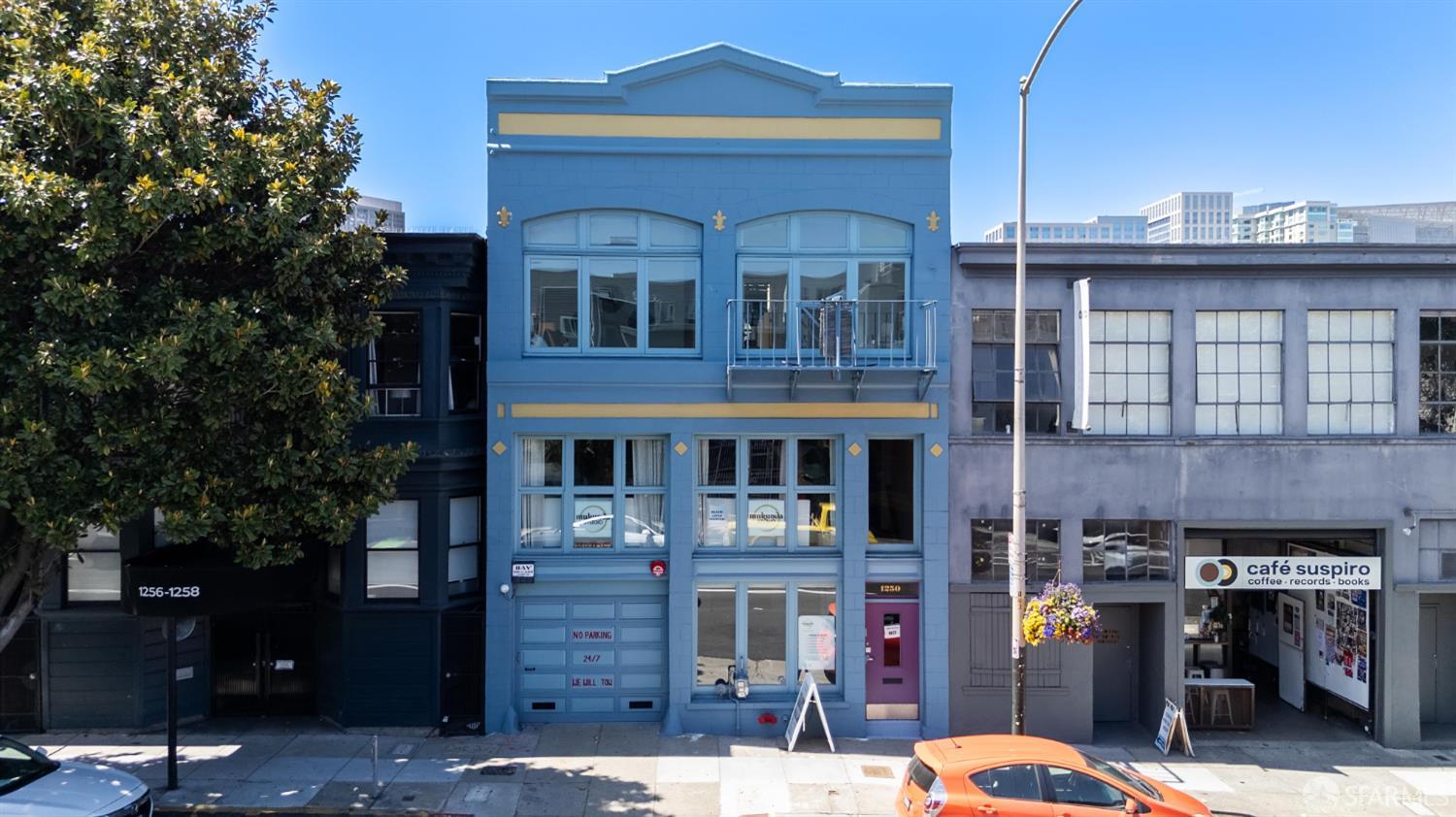
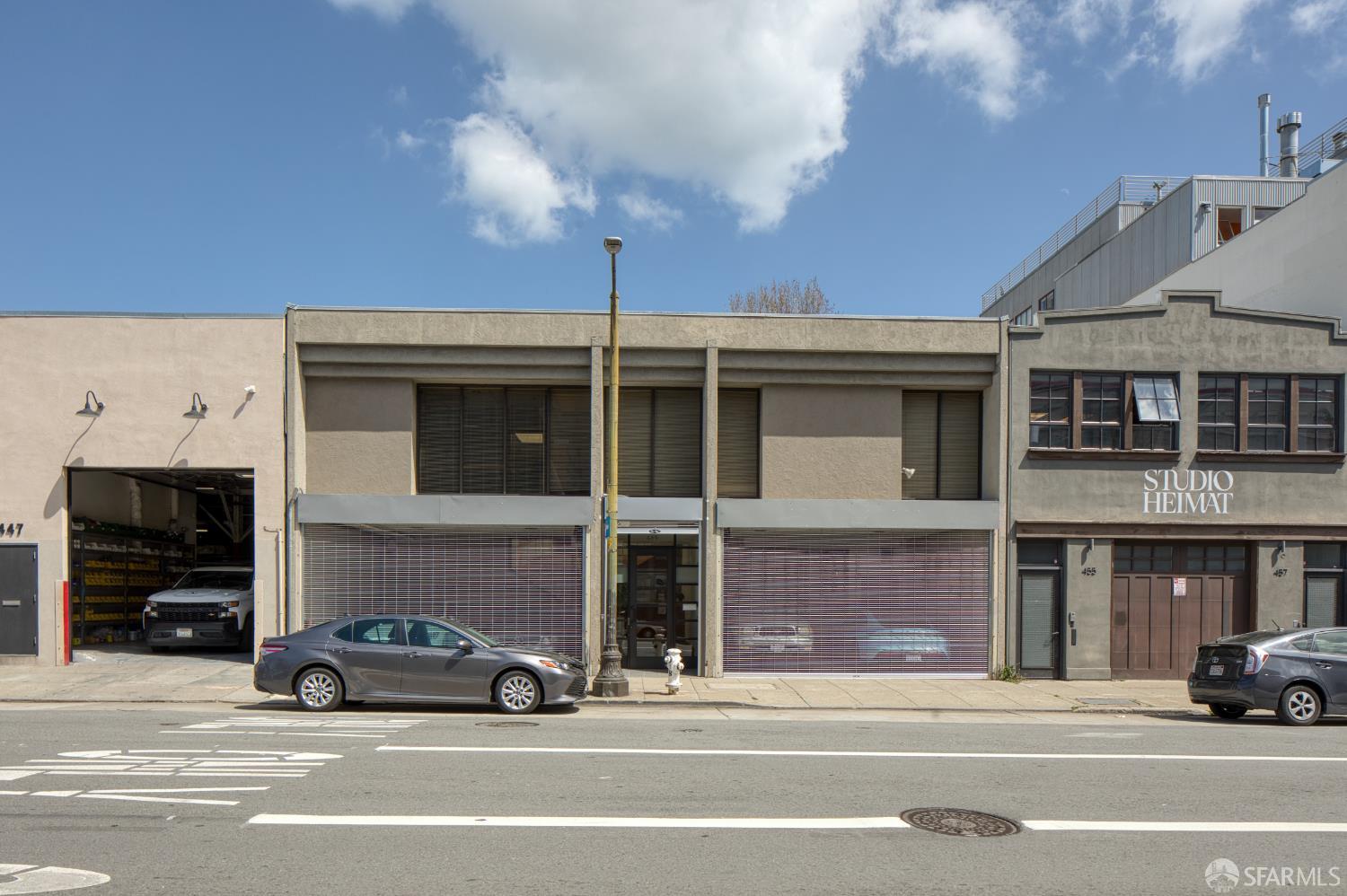
SOMA — South of Market — is San Francisco's dense, urban core, and it looks and functions very differently from the Victorian-flat neighborhoods that define much of the rest of the city. This is where San Francisco's newest housing stock lives: high-rise condo towers, converted lofts in historic brick-and-timber warehouses, and modern mixed-use developments, many built within the last two decades.
The neighborhood sits at the center of the city's transit and employment map — Caltrain's terminus, the Salesforce Transit Center, multiple BART and Muni Metro stations, and walking distance to a huge concentration of the city's largest employers. Oracle Park, the Chase Center-adjacent Mission Bay corridor, and the Yerba Buena arts district (SFMOMA, Yerba Buena Gardens, the Contemporary Jewish Museum) all fall within or near SOMA's boundaries, giving the neighborhood a genuinely 24-hour rhythm of office workers by day and event crowds by night.
SOMA is arguably San Francisco's strongest neighborhood for straightforward rental-yield investing, given the sheer volume of condo inventory, proximity to major employers, and consistent renter demand from young professionals who prioritize walkability and transit over square footage. It's a useful neighborhood to point investor clients toward when they're comparing a condo rental strategy against the small-multifamily Victorian approach more common in neighborhoods like the Mission or NoPa — genuinely different investment theses worth walking through side by side.
25,015 people live in SOMA, where the median age is 37 and the average individual income is $92,343. Data provided by the U.S. Census Bureau.
Total Population
Median Age
Population Density Population Density This is the number of people per square mile in a neighborhood.
Average individual Income
There's plenty to do around SOMA, including shopping, dining, nightlife, parks, and more. Data provided by Walk Score and Yelp.
Explore popular things to do in the area, including The Dean's Mobile Food Kitchen, Hampton Creek, and Limonnana Glatt Kosher.
| Name | Category | Distance | Reviews |
Ratings by
Yelp
|
|---|---|---|---|---|
| Dining | 0.2 miles | 0 reviews | 0/5 stars | |
| Dining | 0.28 miles | 3 reviews | 3.7/5 stars | |
| Dining | 0.31 miles | 0 reviews | 0/5 stars | |
| Dining | 0.33 miles | 0 reviews | 0/5 stars | |
| Dining | 0.35 miles | 0 reviews | 0/5 stars | |
| Dining | 0.35 miles | 0 reviews | 0/5 stars | |
| Dining | 0.38 miles | 0 reviews | 0/5 stars | |
| Dining | 0.4 miles | 0 reviews | 0/5 stars | |
| Shopping | 0.19 miles | 0 reviews | 0/5 stars | |
| Active | 0.05 miles | 4 reviews | 5/5 stars | |
| Active | 0.06 miles | 2 reviews | 5/5 stars | |
| Active | 0.19 miles | 1 review | 1/5 stars | |
| Active | 0.19 miles | 2 reviews | 1/5 stars | |
| Active | 0.19 miles | 0 reviews | 0/5 stars | |
| Active | 0.2 miles | 2 reviews | 5/5 stars | |
| Active | 0.39 miles | 17 reviews | 5/5 stars | |
| Active | 0.39 miles | 31 reviews | 4.9/5 stars | |
| Active | 0.39 miles | 9 reviews | 5/5 stars | |
| Nightlife | 0.11 miles | 123 reviews | 4.2/5 stars | |
| Nightlife | 0.19 miles | 52 reviews | 4.6/5 stars | |
| Beauty | 0.19 miles | 0 reviews | 0/5 stars | |
| Beauty | 0.2 miles | 1 review | 1/5 stars | |
| Beauty | 0.28 miles | 0 reviews | 0/5 stars | |
| Beauty | 0.37 miles | 1 review | 5/5 stars | |
|
|
||||
|
|
||||
|
|
||||
|
|
||||
|
|
||||
|
|
SOMA has 12,712 households, with an average household size of 2. Data provided by the U.S. Census Bureau. Here’s what the people living in SOMA do for work — and how long it takes them to get there. Data provided by the U.S. Census Bureau. 25,015 people call SOMA home. The population density is 50,291 and the largest age group is Data provided by the U.S. Census Bureau.
Total Population
Population Density Population Density This is the number of people per square mile in a neighborhood.
Median Age
Men vs Women
Population by Age Group
0-9 Years
10-17 Years
18-24 Years
25-64 Years
65-74 Years
75+ Years
Education Level
Total Households
Average Household Size
Average individual Income
Households with Children
With Children:
Without Children:
Marital Status
Blue vs White Collar Workers
Blue Collar:
White Collar: