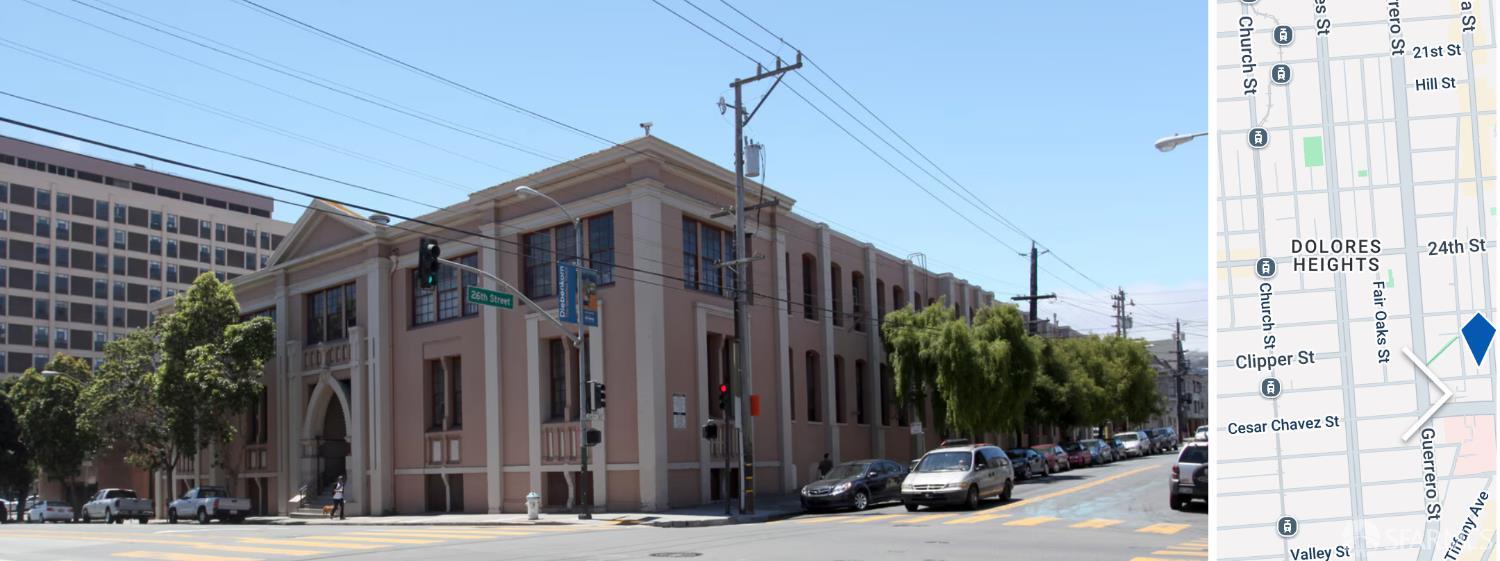
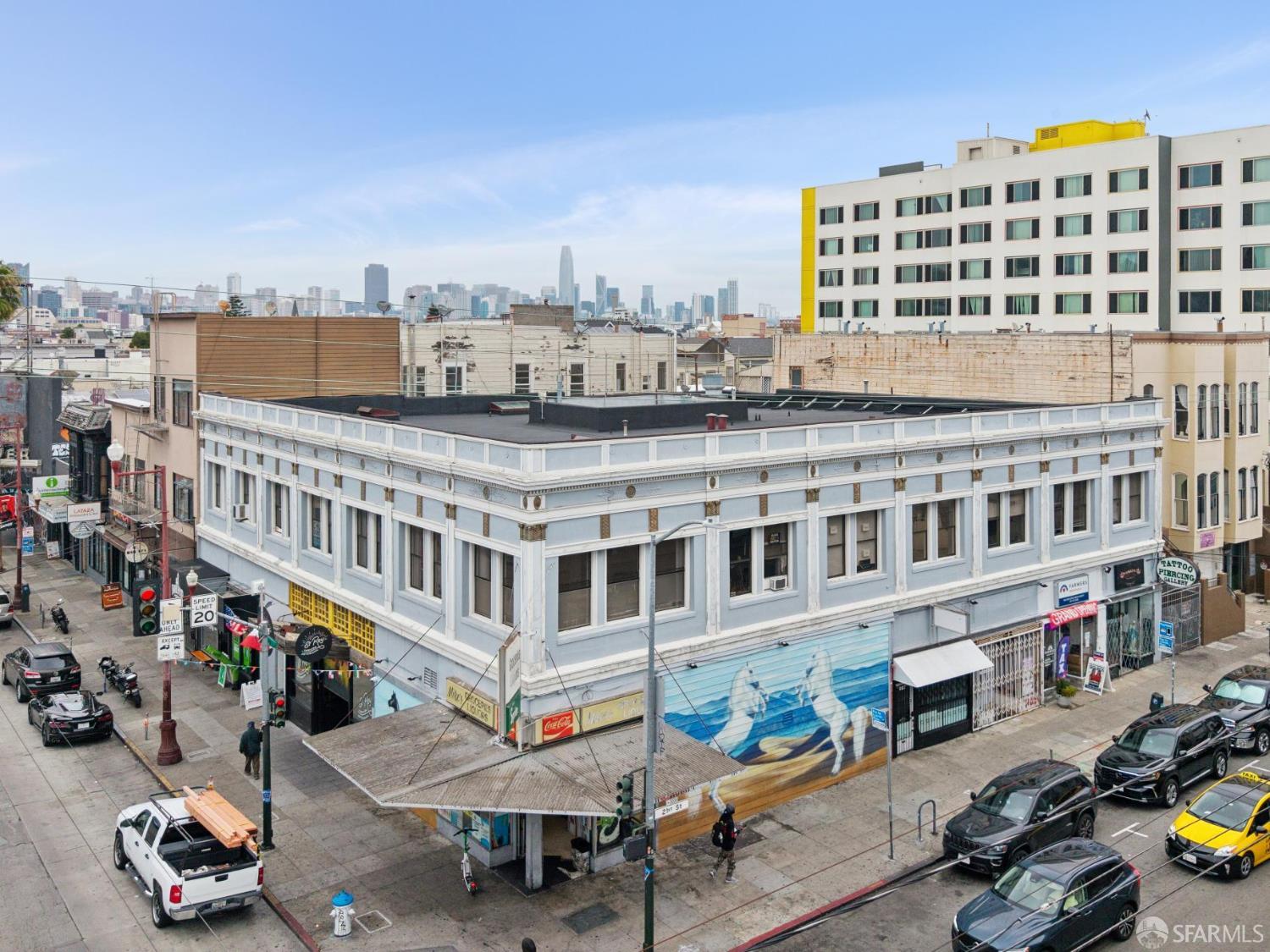
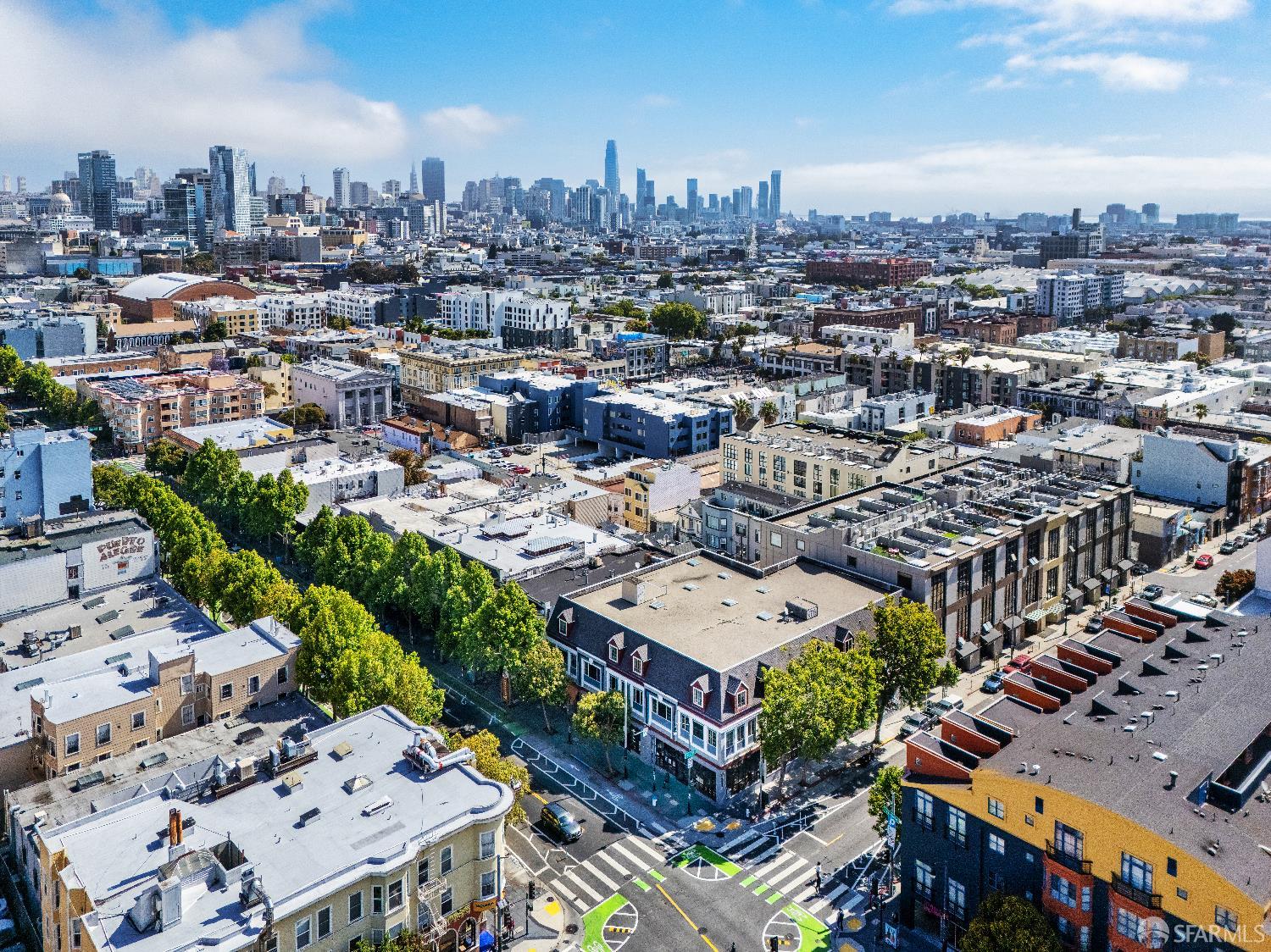
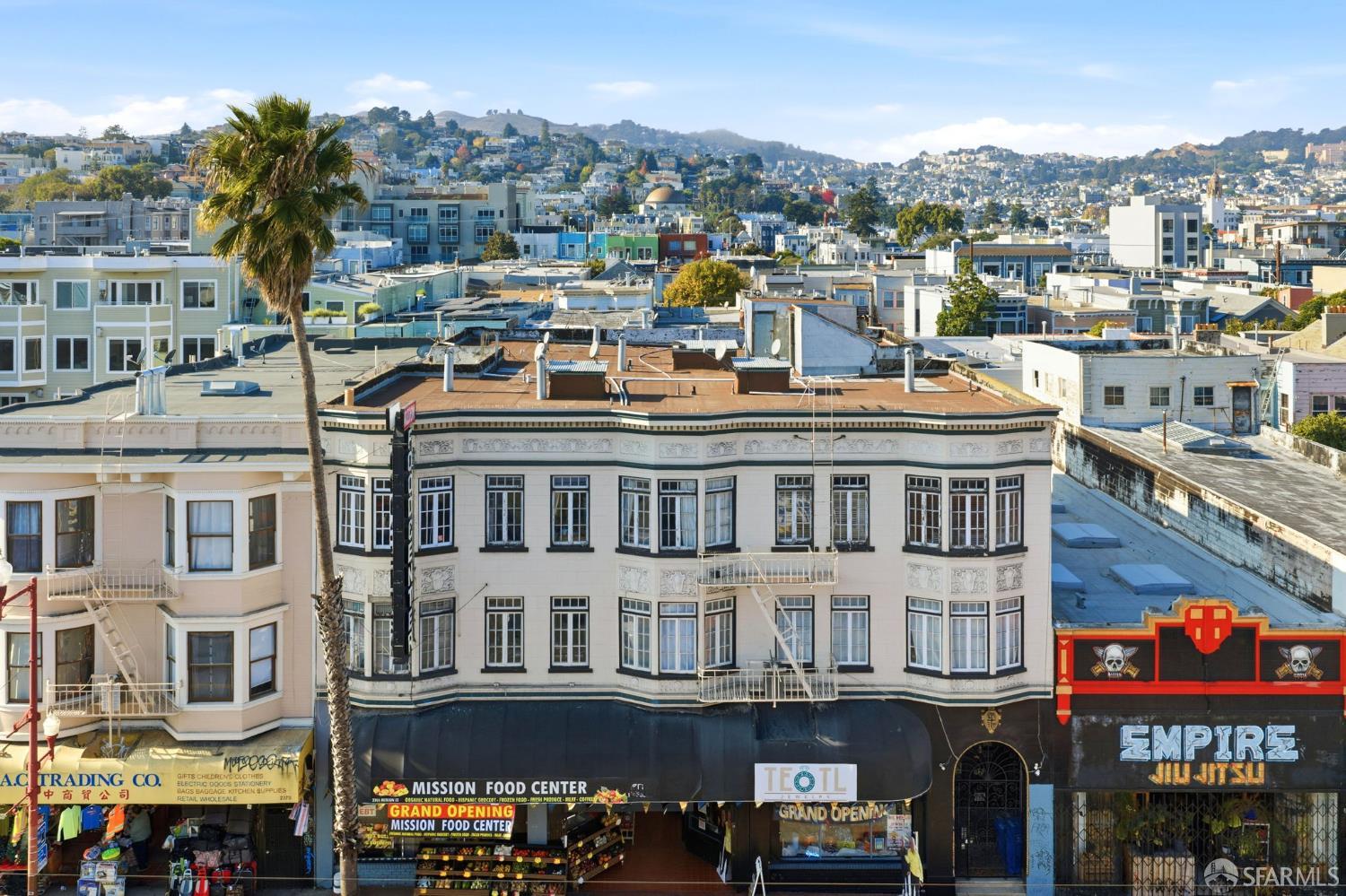
The Mission District is one of San Francisco's largest and most culturally significant neighborhoods — a place defined by its deep Latino heritage, its extraordinary murals (Balmy Alley and Clarion Alley are essentially open-air galleries), and one of the best restaurant and bar scenes in the entire city. It's also, notably, one of the sunniest neighborhoods in San Francisco, thanks to its inland location away from the fog that blankets the west side.
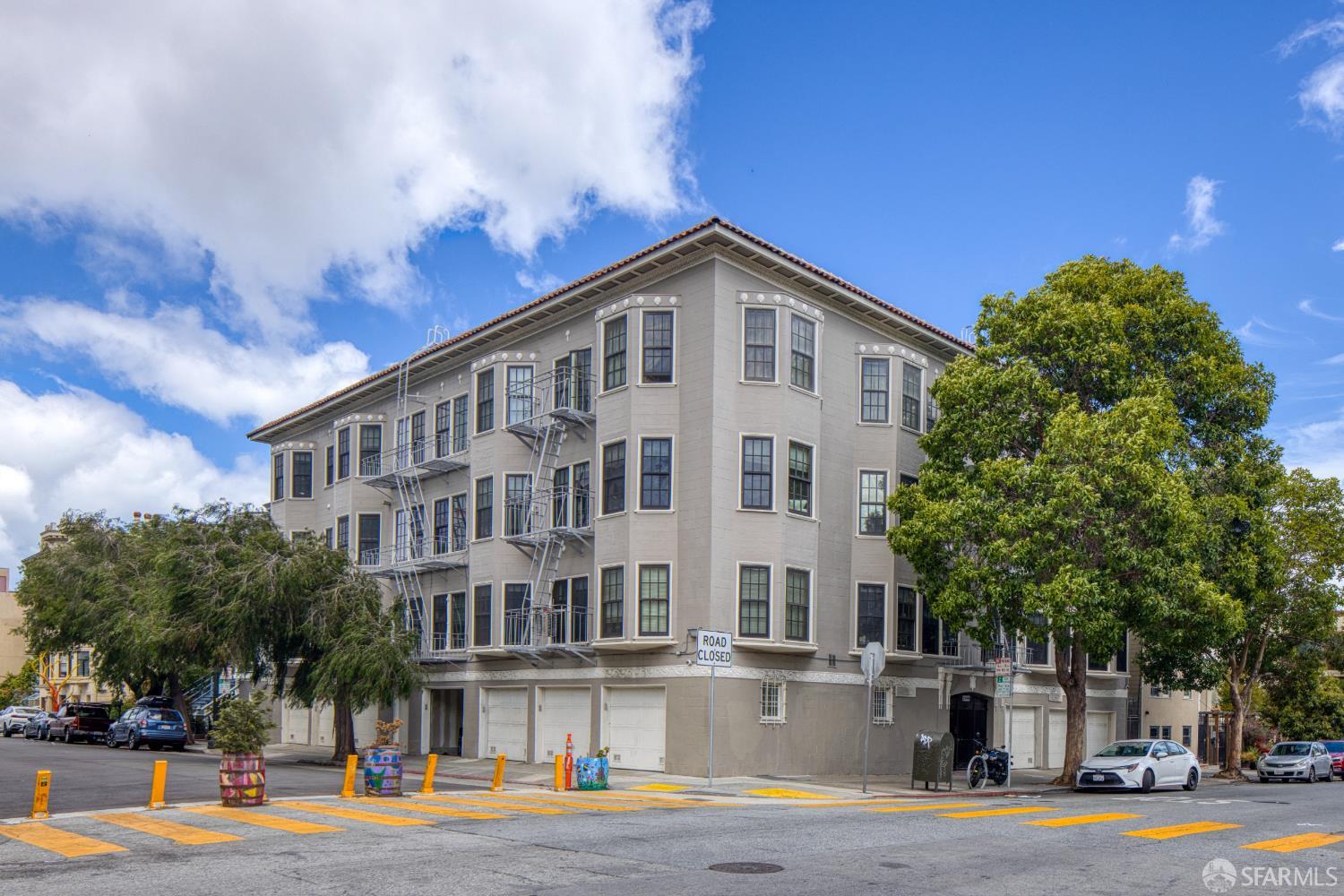
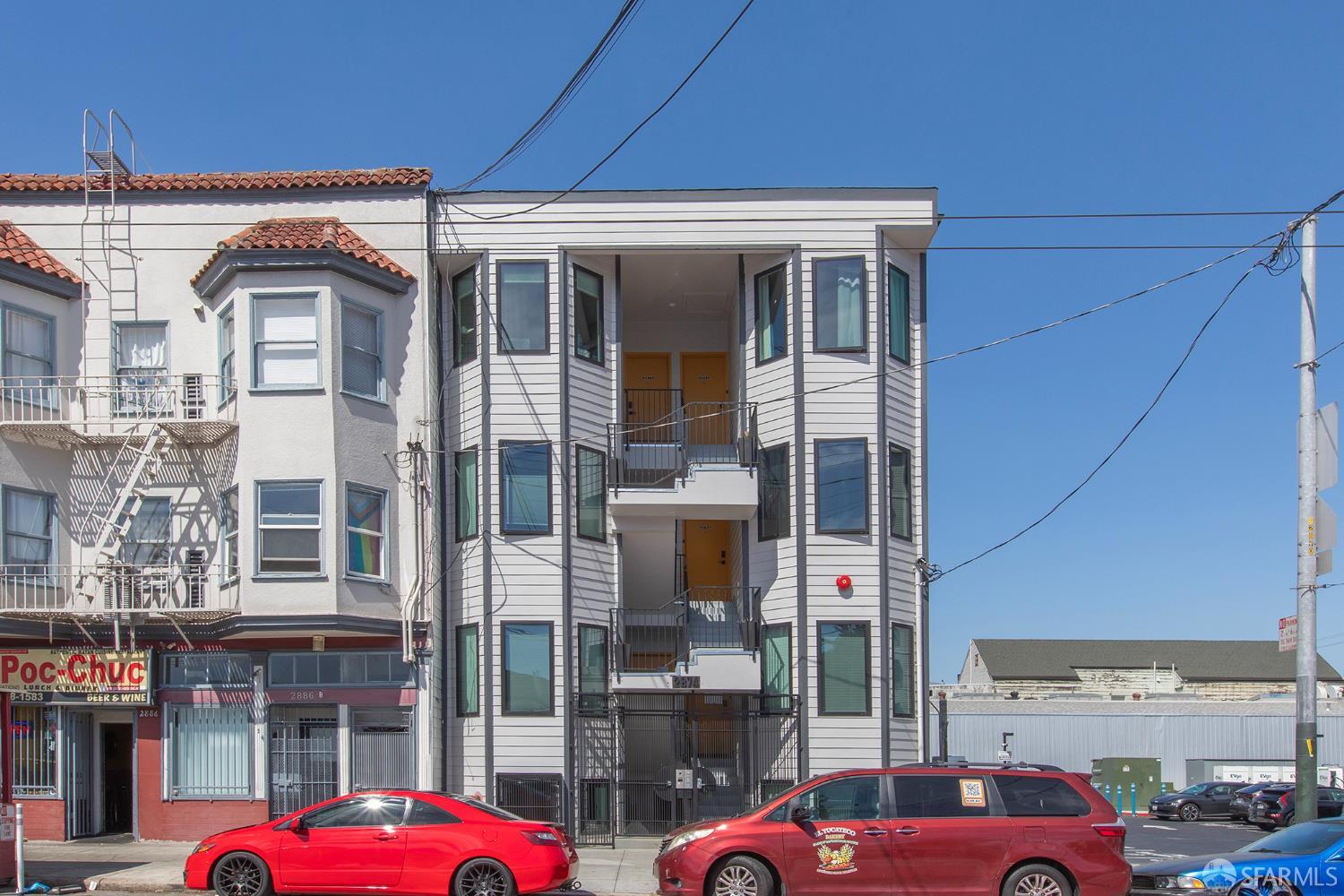
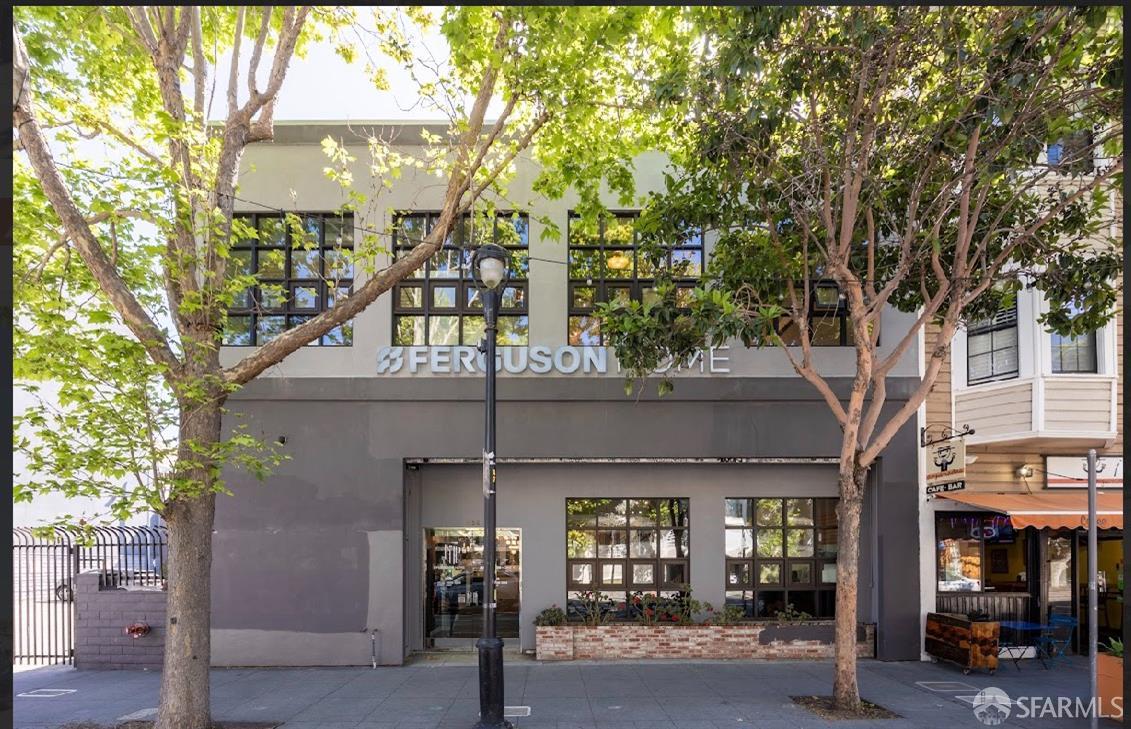
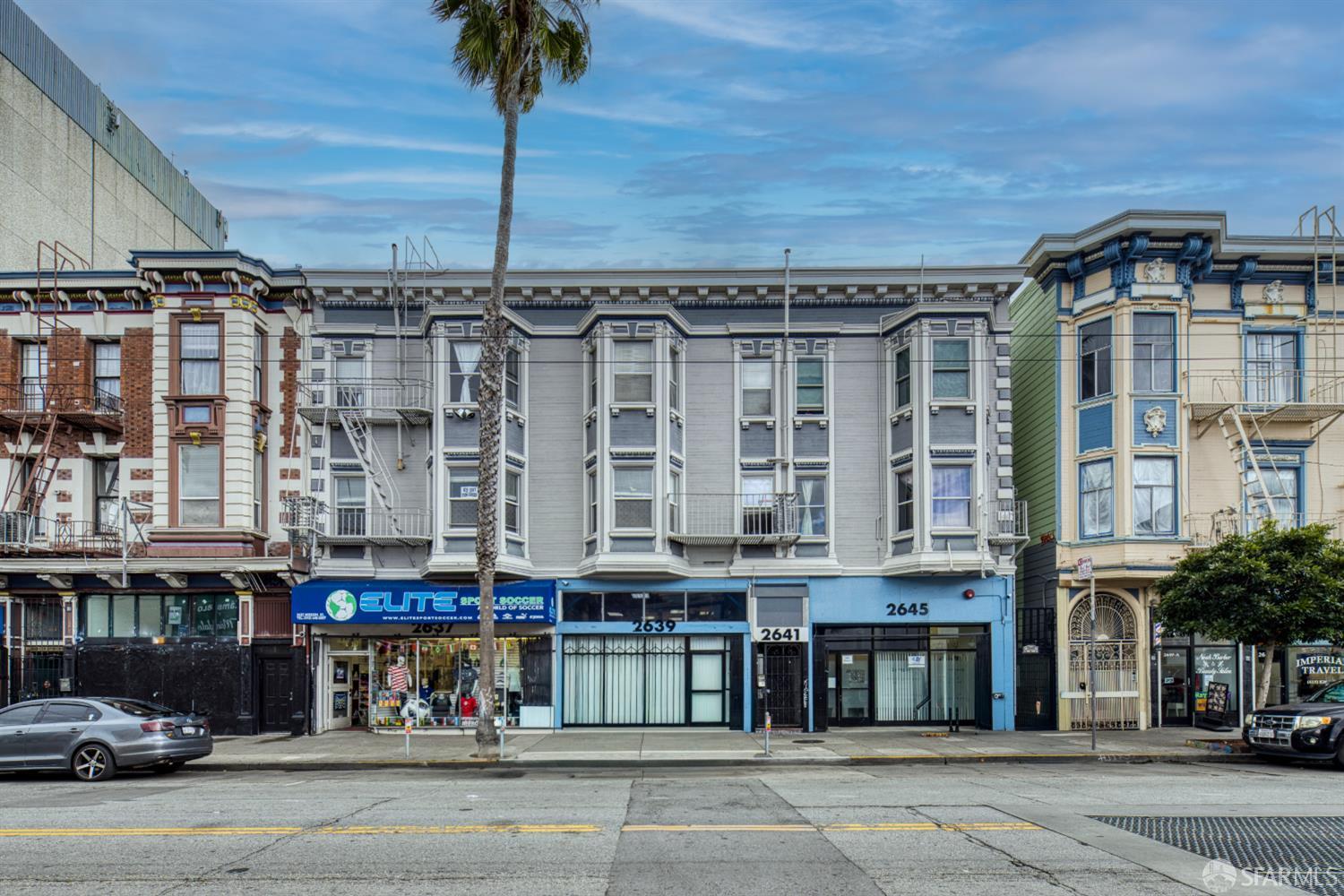
Architecturally, the Mission is dominated by Victorian and Edwardian flats — many built as classic San Francisco 2-unit and 4-unit buildings — packed onto a relatively flat street grid that makes the neighborhood exceptionally walkable and bikeable. Valencia Street has become one of the city's premier shopping and dining corridors, while Mission Street itself retains a grittier, more everyday commercial character. The neighborhood has changed enormously over the past two decades, with significant new development and rising prices alongside its long-standing communities, and it continues to be one of the most closely watched neighborhoods in the city from both a cultural and real estate perspective.
The Mission District may be the single strongest neighborhood in San Francisco for investors. Its housing stock is heavily weighted toward classic 2–4 unit Victorian buildings, rent control is a significant factor for nearly every multi-unit purchase here (making tenant-in-place analysis essential), and rental demand is consistently strong given the neighborhood's BART access (16th Street and 24th Street stations), walkability, and cultural draw. This is a natural neighborhood to pair with content on SF rent control and small-multifamily analysis, since so many Mission transactions involve exactly those questions.